01
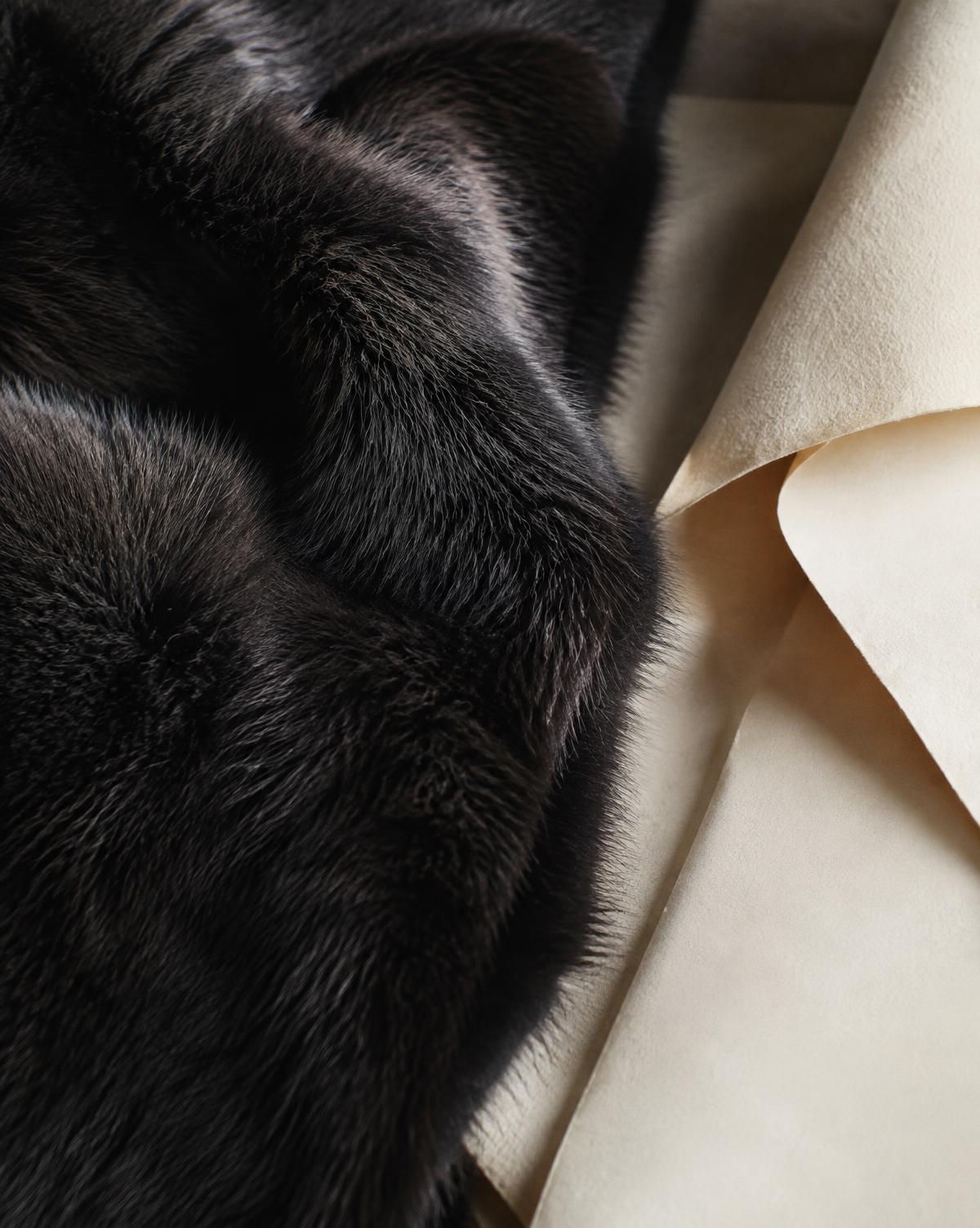
Mink
Its scale, panel construction and condition shape what can be retained, recut or rebalanced.
Specialist fur transformation
Transforming treasured coats from the 1980s and 1990s into contemporary pieces made to be worn again.
The Atelier / 01
Master Furrier is an artisan-led practice dedicated to understanding and reconstructing existing fur garments—not selling new ones.
Every commission begins with a careful individual assessment. The original coat, its internal construction and its usable material guide what may be possible.
Materials / 02
Each material has its own structure, behaviour and possibilities. The process begins by reading the garment itself.
01
Its scale, panel construction and condition shape what can be retained, recut or rebalanced.
02
Volume and hair length require careful judgement when considering proportion and a new silhouette.
03
Its distinctive surface and structure call for an approach tailored to the individual garment.
04
Construction, wear and available material are considered before any direction is proposed.
Suitability for transformation can only be confirmed after inspecting the individual garment.
The Process / 03
A specialist reconstruction in eight considered stages—not a standard alteration.
The garment is examined to understand its condition, construction and potential.
The lining is carefully removed to reveal the internal structure of the coat.
Existing fur panels are separated with care, respecting the usable material.
The skin is prepared and secured on the working board for precise handling.
A new pattern is created and adapted around the available garment.
Panels are considered, recut and reshaped for the intended silhouette.
The piece is assembled through specialist hand sewing and construction.
A new lining, finishing work and final fitting complete the transformation.
Transformations / 04
Illustrative concepts only. Original workshop case-study photography can be added here with permission.
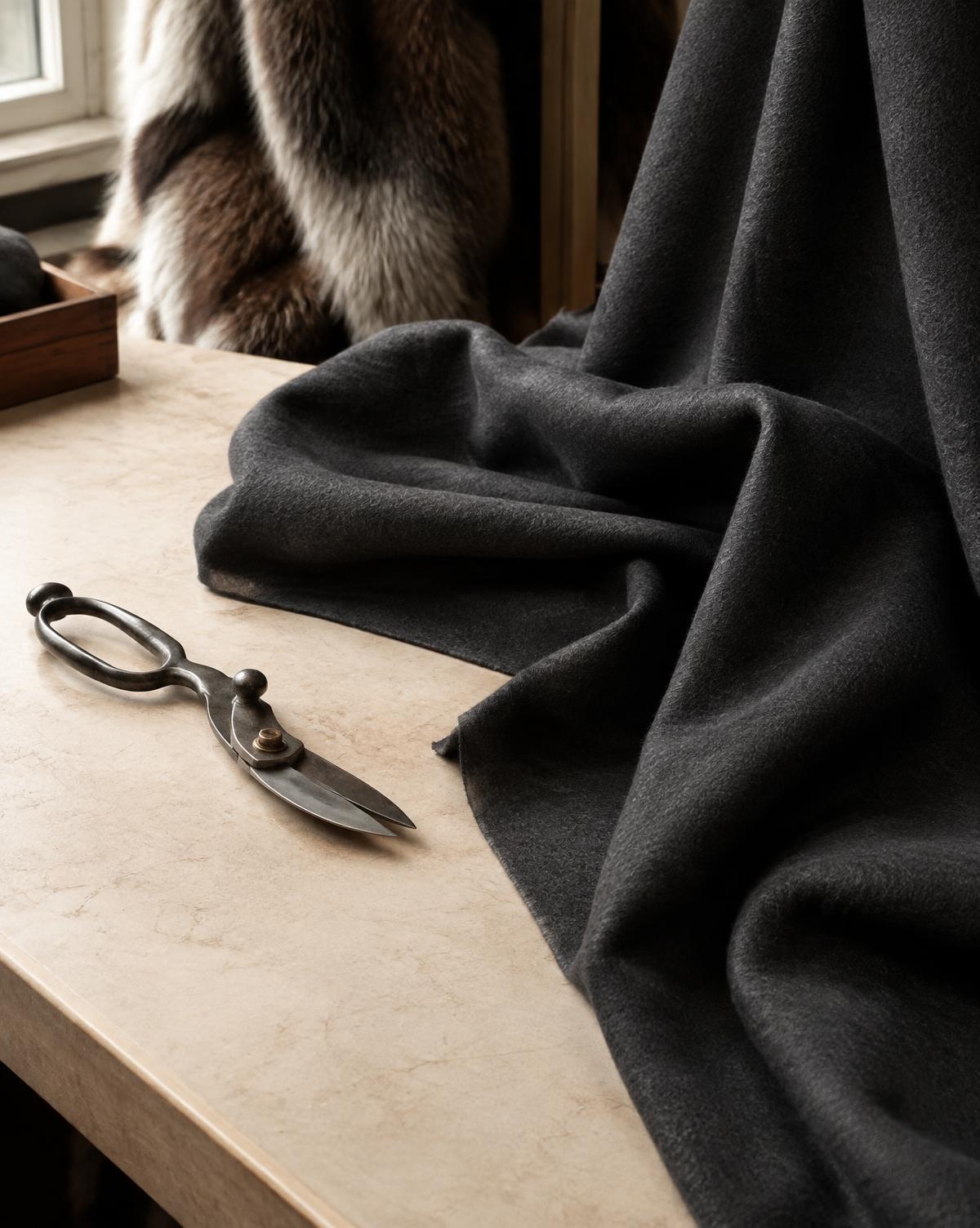
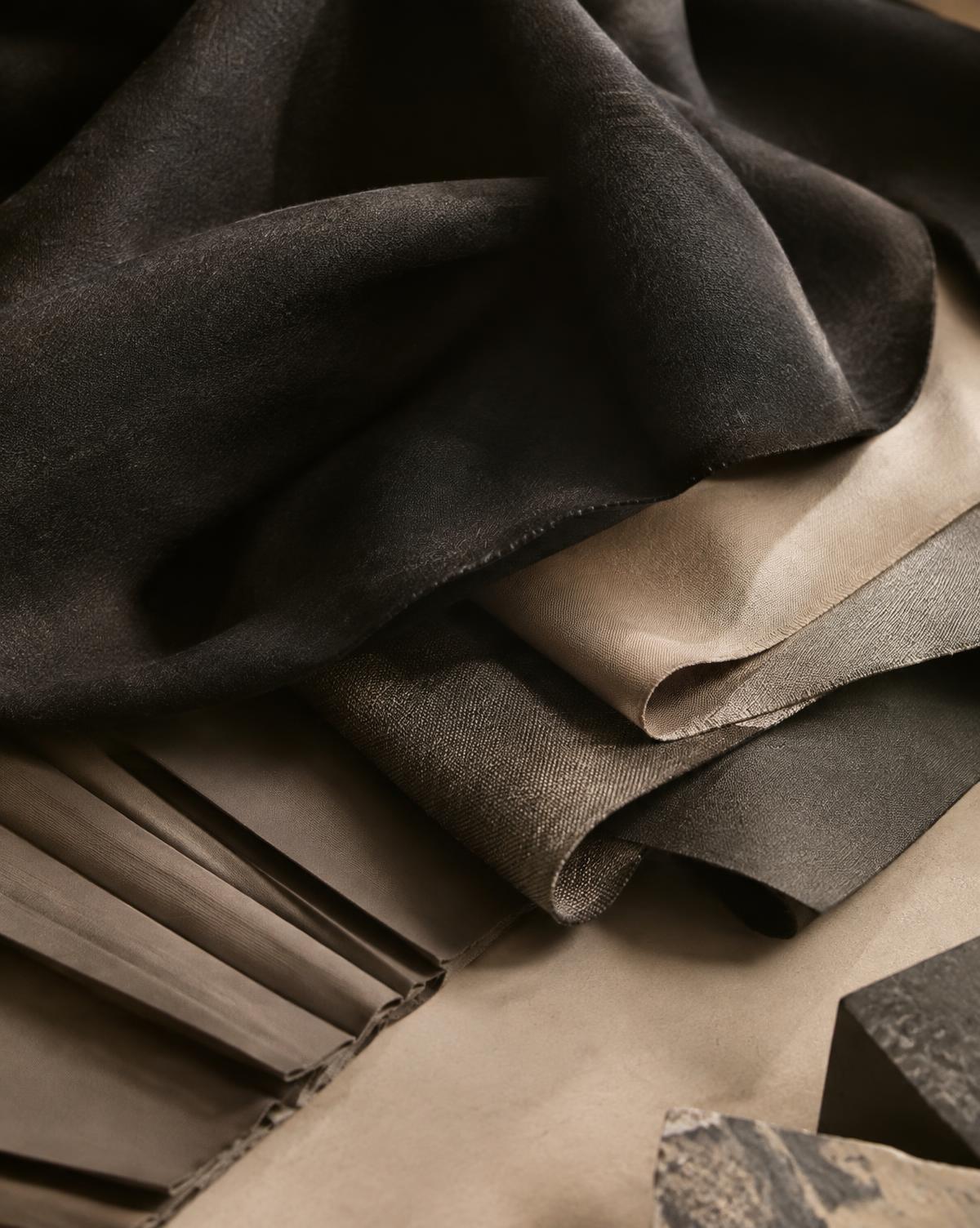
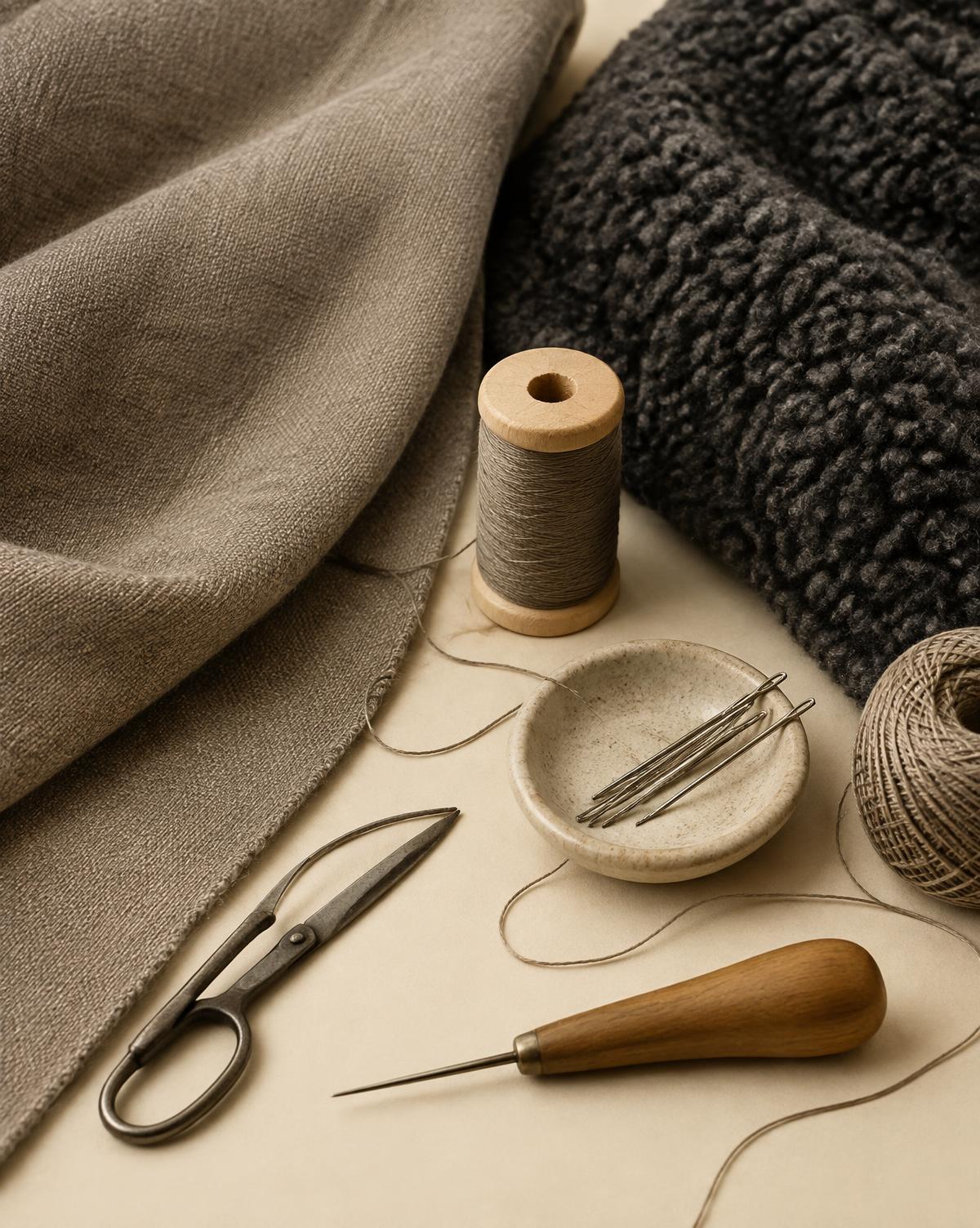
The final design always depends on the condition, quantity and character of the original garment.
The Furrier’s Journal / 05
Practical observations for caring for an existing garment. General guidance cannot replace an individual inspection.
Choose a cool, dark and well-ventilated place with enough room for the garment to hang without compression. Use a broad, supportive hanger and allow the coat to keep its natural shape.
Inspect the garment and its storage area periodically. Keep the space clean, avoid leaving the coat undisturbed for very long periods, and seek specialist advice if you notice shedding, bare areas or insect activity.
Prolonged heat and unsuitable storage can affect both fur and skin. A sealed plastic cover can restrict airflow and trap unwanted conditions around the garment, so breathable, spacious storage is preferable.
Suitability depends on the strength and condition of the skin, the coat’s construction, the amount of usable material and the proposed new form. These points can only be judged by inspecting the individual piece.
Avoid attempting repairs or cleaning at home. Bring the complete garment, including any belts or matching pieces, and consider how you would like to wear it now. The assessment can then begin with the coat as it is.
Why Transform / 06
A garment can carry memory while taking on a form that belongs in the present.
Preserve a meaningful garment
Adapt an inherited piece
Update proportion and silhouette
Make a garment wearable again
Individual Assessment
Every coat is unique. Its condition and possibilities must be assessed individually before a design direction or cost can be discussed.
Write on Instagram